
Travel is no longer just about visiting famous landmarks or staying in comfortable hotels. Modern travelers seek authentic cultural connections, traditional food experiences, and meaningful local interactions. Culture, food, and local experiences define the true identity of a destination, offering travelers a deeper understanding of people, history, and lifestyle.
Exploring culture and cuisine allows travelers accommodation to move beyond the surface and truly connect with a place. From local traditions and festivals to street food and family-run restaurants, these experiences turn ordinary trips into unforgettable journeys. This guide explores the importance of cultural tourism, food exploration, and immersive local experiences, helping travelers make the most of their adventures.
Understanding Cultural Travel
Cultural travel focuses on learning how people live, celebrate, work, and express their identity. It goes beyond sightseeing and involves meaningful engagement with local communities.
Key Elements of Cultural Travel
-
Local traditions and customs
-
Language and communication styles
-
Art, music, and heritage
-
Religious practices
-
Historical influences
Cultural awareness helps travelers show respect and appreciation while creating richer travel experiences.
Why Culture & Local Experiences Matter in Tourism
Culture-driven tourism is growing rapidly because travelers want more than luxury—they want authenticity.
Benefits of Cultural Tourism
-
Deeper emotional connection to destinations
-
Support for local communities and artisans
-
Preservation of traditions and heritage
-
Educational and enriching experiences
-
Unique memories beyond tourist attractions
Destinations that highlight culture and food attract travelers seeking meaningful travel.
Local Food as a Cultural Identity
Food is one of the strongest expressions of culture. Every dish tells a story shaped by geography, history, climate, and tradition.
Why Food Is Central to Travel
-
Reflects regional history and lifestyle
-
Connects travelers to local families and communities
-
Offers sensory exploration through taste and aroma
-
Preserves traditional cooking techniques
Trying local cuisine is often the most direct way to experience a destination’s culture.
Exploring Traditional & Regional Cuisine
Every region has signature dishes that reflect its cultural roots.
Common Food Experiences Include
-
Traditional home-style meals
-
Regional specialties
-
Street food culture
-
Seasonal dishes
-
Festive and ceremonial foods
Travelers who explore local food gain insight into daily life and community values.
Street Food & Local Markets
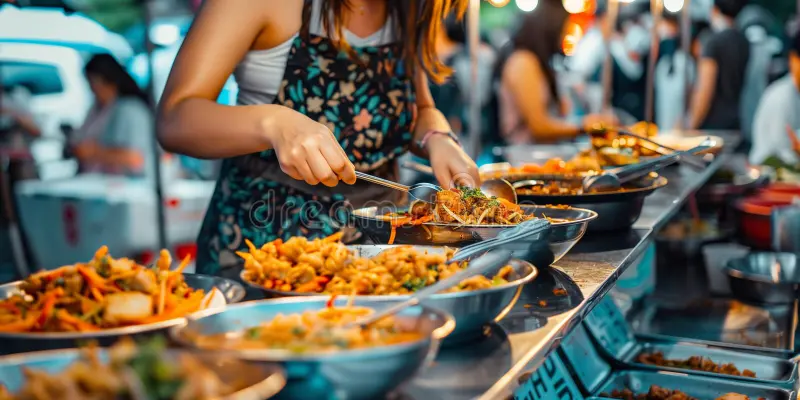
Street food and markets are cultural hubs where daily life unfolds.
Why Street Food Is Special
-
Affordable and accessible
-
Prepared using traditional recipes
-
Reflects everyday eating habits
-
Encourages interaction with locals
Local markets offer fresh ingredients, handmade goods, and authentic flavors that represent the heart of a destination.
Food Tourism & Culinary Experiences
Food tourism has become a major travel trend.
Popular Culinary Experiences
-
Food tours
-
Cooking classes
-
Farm-to-table dining
-
Wine and beverage tasting
-
Cultural dining experiences
These activities allow travelers to actively participate rather than just observe.
Festivals, Traditions & Celebrations
Festivals bring culture to life through music, food, dance, and rituals.
Types of Cultural Festivals
-
Religious celebrations
-
Harvest festivals
-
Music and art festivals
-
National holidays
-
Local community events
Participating in festivals provides insight into a destination’s values, beliefs, and sense of community.
Art, Music & Cultural Expression
Art and music are powerful reflections of identity and history.
Cultural Expressions Include
-
Traditional music and dance
-
Handicrafts and folk art
-
Architecture and monuments
-
Storytelling and oral traditions
Visiting cultural centers, galleries, and performances helps preserve artistic heritage.
Language & Communication as Cultural Bridges
Language plays a vital role in cultural immersion.
Ways Language Enhances Travel
-
Builds connections with locals
-
Shows respect and effort
-
Improves travel experiences
-
Encourages meaningful conversations
Even learning basic phrases can transform interactions and experiences.
Local Experiences Beyond Tourism
Authentic travel includes everyday local activities.
Examples of Local Experiences
-
Staying with local families
-
Participating in daily routines
-
Visiting neighborhood cafes
-
Using public transport
-
Exploring non-tourist areas
These experiences provide a realistic view of life beyond tourist zones.
Community-Based Tourism
Community-based tourism empowers local people and protects cultural heritage.
Benefits Include
-
Economic support for local communities
-
Cultural preservation
-
Sustainable tourism development
-
Ethical travel experiences
Travelers contribute positively while gaining authentic experiences.
Responsible & Respectful Cultural Travel
Respect is essential when engaging with culture.
Responsible Travel Practices
-
Respect traditions and customs
-
Dress appropriately
-
Ask permission before photography
-
Support local businesses
-
Avoid cultural exploitation
Responsible travelers leave positive impressions and lasting benefits.
Cultural Tourism in the United States
The U.S. offers diverse cultural and food experiences shaped by immigration and regional history.
Examples Include
-
Southern comfort food traditions
-
Native American heritage
-
Jazz, blues, and country music roots
-
Regional festivals and fairs
-
Multicultural neighborhoods
Each state offers unique cultural flavors and experiences.
Food & Culture as Storytelling
Every destination tells stories through food and traditions.
Storytelling Through Culture
-
Family recipes passed through generations
-
Traditional ceremonies and rituals
-
Cultural landmarks and legends
-
Culinary history influenced by migration
Travelers become part of these stories through participation.
Planning a Culture-Focused Trip
Thoughtful planning enhances cultural experiences.
Planning Tips
-
Research cultural norms
-
Explore local food guides
-
Schedule visits during festivals
-
Choose locally owned accommodations
-
Connect with community experiences
Preparation ensures respectful and meaningful engagement.
Benefits of Cultural & Food Travel
Cultural travel enriches both travelers and destinations.
Key Benefits
-
Personal growth and learning
-
Greater appreciation for diversity
-
Authentic travel memories
-
Strong emotional connections
-
Positive impact on local economies
Culture-driven travel adds depth and purpose to journeys.
Digital Platforms & Cultural Tourism
Online platforms help travelers discover authentic experiences.
Digital Tools Help With
-
Local experience discovery
-
Food and festival guides
-
Cultural education
-
Community-based tourism promotion
Websites like uspropinc play an important role in connecting travelers with cultural content.
Future of Culture, Food & Local Experiences in Travel
The future of travel emphasizes authenticity and sustainability.
Emerging Trends
-
Experiential travel
-
Slow tourism
-
Culinary-focused trips
-
Cultural immersion programs
-
Sustainable tourism initiatives
Travelers increasingly value meaningful experiences over luxury alone.